Episode Transcript
[00:00:00] Speaker A: To baby trees.
The Black Pondo podcast.
[00:00:14] Speaker B: I don't know. How does it look with this?
Look like.
[00:00:21] Speaker C: A little bit like Sam Sulek.
Yeah, I like it.
[00:00:25] Speaker B: Just a little part of it. Maybe the old. I'm the old bicep.
[00:00:31] Speaker C: Oh, man.
[00:00:32] Speaker B: Okay. No smoothie today?
[00:00:35] Speaker C: No smoothie. I was going to, but I figured I'd wait till after. After the podcast is over.
[00:00:44] Speaker A: All right. All right.
[00:00:47] Speaker C: Hey, how are you? Nice to meet you.
[00:00:49] Speaker A: Nice to meet you. Nice to meet you.
It's an honor to me.
[00:00:55] Speaker D: Thank you.
[00:00:57] Speaker C: I wasn't sure if I was just gonna have one of you or both. Both of you. So it's an absolute pleasure.
[00:01:03] Speaker B: Yeah, thank you. We weren't sure either.
[00:01:07] Speaker C: Nice. I like it. I like it.
[00:01:10] Speaker A: My English is not one of the best, like. Like Lori's, but I'm here to develop.
[00:01:19] Speaker C: I love it. I love it. That sounds great. Yeah. I'm impressed that you do podcasts in not your native language. That's very impressive.
[00:01:29] Speaker D: Yeah.
[00:01:30] Speaker C: I wish I spoke another language, but
[00:01:33] Speaker B: there's always time, you know?
[00:01:36] Speaker C: True.
[00:01:36] Speaker D: Yeah.
[00:01:38] Speaker B: You never stop. Stop learning.
[00:01:39] Speaker A: Yeah. We need to explore more, so we need to have a contact, international contact, so.
[00:01:47] Speaker C: So it's awesome. Well, why don't we get started if that's cool?
[00:01:52] Speaker B: Yeah. You're ready.
[00:01:53] Speaker C: Yeah.
Hey, it's an absolute honor to have you both on. I really appreciate it. I've been following you guys for a while now.
Love the contest, which I'm really excited to dive into.
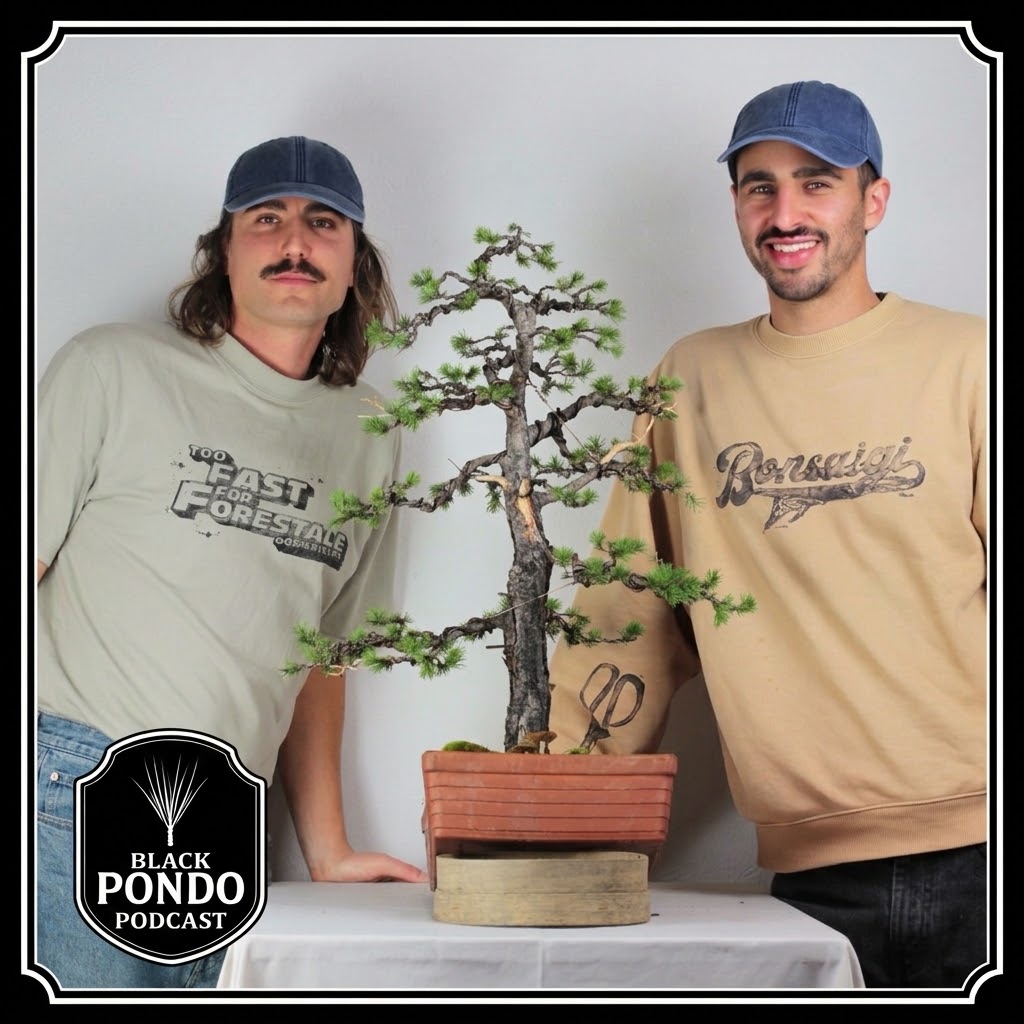
However, I was thinking first, I would love to just get some background information on you and get to know you a little bit more, I guess. First off, what is Bonsaigers? And how did you guys come up with the name?
And am I saying it correctly?
[00:02:20] Speaker A: Yeah, yeah, yeah.
[00:02:22] Speaker B: Sometimes people say bonsai, especially here in Italy, and it's not. It wasn't meant to be that way, but Bonsaiers is.
It's just because basically we started almost as a joke. We didn't plan on. We planned on trying something.
So we started the Instagram page and Igers.
It was the way to, like, talk about Instagram people. And so we became Sponsykers.
[00:02:56] Speaker D: Got it. That's basically it.
[00:02:58] Speaker A: Yeah.
[00:02:58] Speaker B: We've been pondering a lot about the names, the name now, and if it's still suitable for the development of the company.
But, you know, it's. It's difficult to change now.
[00:03:13] Speaker C: Yeah, Yeah, I. I think the first time I. Well, I think I was wondering if maybe it was like an Italian term or something, or meant something in Italian or or something like that. So that makes a lot of sense though.
[00:03:28] Speaker B: Yeah, no, it's, it's just, it's just as I said, it started a little bit, uh, as a fun way to be creative. After the studies, we're both designers, so we wanted to start something that would allow us to express the creativity. Like, you know, I'm a graphic designer. Is.
He studied product designer. Product designer. So once we finished, I had this craving for doing something that wasn't just cutting out people out of images for big companies, but doing something that was, you know, a little bit more creative.
And bonsai came in our life in that period. So like, it was an easy way to experiment on like, so Instagram. The Instagram page came out of that and then it snowballed in what it is now.
[00:04:23] Speaker C: And how did you guys meet initially? Was it before bonsai or after bonsai?
[00:04:29] Speaker A: No, before. Before.
[00:04:30] Speaker D: Before. Way back.
[00:04:31] Speaker A: Yeah, yeah, Yeah.
I think I.
[00:04:36] Speaker D: When.
[00:04:37] Speaker A: I don't know when the right, the right year, but I, I say I went to school with. With his sisters. His sister before and, and after some year, I think at the 13, 14 years, like, like this, we, we start to, to. To see sometimes and, and from this we, yeah, sometimes we, we.
[00:05:07] Speaker B: Yeah, we met.
[00:05:08] Speaker A: We see for, for go out or I don't know, with friends with some, some friends that, that there are and in common.
And in the end we ended up doing this. Yeah.
[00:05:20] Speaker D: Yeah.
[00:05:20] Speaker B: But if we go back to middle school, I have memories of him like coming in with orange crocs with fur inside.
To have orange crocs.
Yeah, he's always been a stylish character, so that's cool.
So like we go way back. Like we hanged out for a long time and then, you know, we found out that we have some, some things in common. Like we, we always liked like street culture, like, you know, this kind of like fashion and going out to cool parties and so on. So yeah, you know, like we aligned on, on our interests. And then during COVID they went to Crespi Bonsai just before and it's this huge nursery that is in our area and he fell in love with it and it dragged me in during COVID so.
[00:06:20] Speaker C: Very nice. So this all got started around Covid?
[00:06:24] Speaker A: Yeah, yeah, definitely. Yeah. It's. It's from 2019 and 2020. In the end of 2019, I, I remember that I was for the first time in Crespi for a tour and I discovered the bonsai world. So I, I go, I, I remember that I, I buy an azalea the first one that.
And I begin to. To study. To study how to grow.
What what. What is the next step?
When is the best period for work on it.
And.
And after this I start to collect all the trees that I can in my garden.
And then from this I introduce also Loris and because also Loris have the garden and he begin also.
And we arrive in not a lot of time in a night when, when, when we. When we decide to. To start something.
[00:07:37] Speaker B: Just for context. Covid in Italy was quite a weird situation because we got stuck for like three months at home and like I was studying and it felt like the word stopped running.
So like we had the time to just go in the garden every day and yeah, just pick up trees. And also was spring, so like quite of a. Of a fun time nature wise.
[00:08:02] Speaker C: Yeah.
[00:08:03] Speaker B: To start.
So when everything opened up again, we were starting a meeting in like in the evenings and he came to my place and yeah, we just sat at the table and was like, man, we should do something.
[00:08:18] Speaker A: Yeah. Yeah, because we want to make something from Instagram. I think because it's. Instagram is the platform where we see something that is.
I think if you use good the platform you can create a community and from the community you can create something.
So I think is this.
And from this idea we start
[00:08:46] Speaker D: to
[00:08:46] Speaker A: create a platform where we select all the best trees that we see on Instagram, on Internet in general. So we are new in this world, so we don't know nothing about it and we. We select only from. From. From the static.
So we begin to just repost. Yeah, just repost and try to. To describe from the photo obviously what we see.
So to create also a description that can help a beginner that don't know nothing about it what we see. So what we observe about the tree.
And I think this is the.
Our beginning because we introduce this. We introduce all day. We create a daily post about different type of tree with different. Different type of species, different type of artists and try to try to create a selection. And from this selection we begin to.
To have more and more and more followers.
And these first followers create in us something that is. Wow.
People arrive all days, so we grow, we grow, we grow. And this thing can I think creating us some power?
[00:10:33] Speaker D: No?
[00:10:33] Speaker B: Yeah, yeah, no, no.
It was the time where, you know, like there was a. At this page that I think that was really inspirational for us.
[00:10:42] Speaker D: Like Eden.
[00:10:43] Speaker B: Eden New York.
[00:10:44] Speaker A: Yeah.
[00:10:45] Speaker B: Also it was the time where like they. We. I mean there was complex. These big pages already, like these big blogs that are posting something that is culturally re. Relevant for a certain figure center, certain user. So Eden was another one that was
[00:11:03] Speaker D: really
[00:11:05] Speaker B: giving us a lot of inspiration. And we were trying to just show cool stuff.
[00:11:09] Speaker D: Yeah.
[00:11:10] Speaker B: And bonsai was our like current thing. So we leverage on the people, we leverage on the artists that were showcased in the pictures. So like, we posted the tree, we tagged the artist, we describe the tree. And that's helped us with the reposting to just, you know, like an artist is starting reposting us, reposting him.
So like more people is looking at that and that allowed us to spread quite fast. So we were like, okay, maybe there's a market here.
And so that was the beginning of it.
[00:11:51] Speaker A: Yeah, yeah, yeah, yeah. And with these, we select also an incredible collection of followers from us that.
That are artists just so bonsai artists. Because we, we.
We try to. To find the best.
So we pass a lot of time on Instagram to find some new people that create and some people that is. That is interesting for us because it's a. It's a nice creator with bonsai. It's a nice artist and it's, it's.
And we want know more.
So we try to make the best and create. Create more community also for us and follow. Follow the right people.
And we, we try to use the best for. For Instagram.
[00:12:48] Speaker D: We try to. Yeah, we just.
The concept from the beginning was like to promote other artists through the platform that we created. And that was the real spark that started everything. Then everything that it's coming. The podcast, the Bonsai X, the marketplace with other artists that are doing like pottery or all of that is just that concept developing. Yeah.
[00:13:14] Speaker C: Fantastic.
[00:13:15] Speaker A: And our idea, Our idea about bonsai born obviously also from the research begin because.
Not begin, but is because we start also with the. With the idea of design, something new. So we study design and then we want to introduce something that can help also people in our houses.
So we think about bonsais because it's the unique thing that can create nature and can put nature in also in the small houses.
So it's also. This is I think one of the most.
Most fulcru.
[00:14:08] Speaker B: Yeah, it's the center of the.
The project is also like using bonsai. It's something that allow people to be in touch with nature also in smaller spaces.
[00:14:18] Speaker D: Yeah.
[00:14:19] Speaker A: So because with the future, with the small, with the small houses, with the small spaces, I think the only a small percent of people can have the garden and can have a green area where can cultivate. One can put the apple tree or another type of trees.
So I like to also with this project to introduce the nature in all homes for create more contact with nature and create more culture about and create more respects.
So this is also the idea that create also this. It's not only for Instagram page that select trees.
It's arrived from.
From this I think also.
[00:15:13] Speaker D: Yeah.
[00:15:13] Speaker B: Deeper meaning.
[00:15:14] Speaker D: Yeah.
[00:15:16] Speaker C: That's fantastic. I love to hear it.
[00:15:19] Speaker A: Thank you.
[00:15:20] Speaker C: Tell me a little bit about what you guys offer in terms of products and services.
[00:15:27] Speaker B: It's quite broad at the moment.
We started with the merchant. So the first product was a print
[00:15:35] Speaker D: and
[00:15:38] Speaker B: a series of T shirts.
So this is still something that we continue doing with you know, the bonsaigerx posters and the other ones and also with the merch that is coming out on.
Yeah like two, three times a year. But then we introduced the tools. So like we have a wide selection of tools both for bonsai making and gardening. Everything from Japan most likely. Yeah, mostly everything from Japan. And then like with time passing we introduced the marketplace that allows artists from all over the world to showcase their art pieces on the the platform. So Suisekis Ceramics, there is some sculptures, bonsai stands. There's some cool bonsai stands that are coming now.
[00:16:29] Speaker A: Yeah.
[00:16:31] Speaker B: And on the other side, service wise
[00:16:35] Speaker D: we have a lot of.
We.
[00:16:38] Speaker B: We do gardens a little bit of like we're. We're having collaborators that are helping us with designing green areas.
Then we do the maintenance ourselves.
So the pruning for Miwakis and like the maintenance of gardens of a certain
[00:17:00] Speaker D: level.
[00:17:01] Speaker B: And then we do courses that is something that we are really passionate about now we'd like to expand that so courses in our area and that we offer to privates in groups or in a private manner and to companies.
So like starting course.
Starting courses that allow people to just dip their ends in the soil and create cool stuff.
[00:17:24] Speaker A: Yeah. Now one of the last ideas that we create and we propose it's the team building in the companies for create more culture for all the employees and introduce the nature with this type of culture with this, this tree in a pot.
And in the second time also the possibility to introduce also this type of trees in the office.
So it's a double blade.
You can learn and after you can have also in your office in our company a greener space.
So we think is nice and we speak with some.
[00:18:22] Speaker D: Some entrepreneur that.
[00:18:25] Speaker A: That want to work with us in the. The next period. So we are really happy about it.
[00:18:33] Speaker D: And
[00:18:36] Speaker A: other things, other services.
[00:18:40] Speaker C: I like that idea. I feel like you guys should run with that.
I feel like it is a double edged sword or it both gets people into bonsai. They get a bonsai team building activity. I like it. I'm a fan.
[00:18:54] Speaker D: Yeah, yeah, yeah, yeah.
[00:18:55] Speaker B: It's important because I mean like we see. We live in the Milane area kind of like we are an hour away from it and we see a lot of people that it's coming to courses that is really stoked about how different is to stay in an area that it's a little bit more residential, less industrial, but still with a lot of nature around like the ones that we live in.
And it feels like they're taking a. A bread of fresh air when they're coming here. So like giving them the possibility to be even closer to nature having something in their offices. It's something that we see it as a really valuable option.
And I mean it's really. And also like I come like in the last six years I've been living in, in Sweden, in Malmo, really close to Copenhagen. It's something that we'd like to maybe at one point like export also to Scandinavia.
And I mean it would. It's. It's something that could.
[00:19:55] Speaker C: It's.
[00:19:55] Speaker B: It feels just right.
[00:19:57] Speaker D: Yeah.
[00:19:58] Speaker B: Yeah. Good development. Yeah, that's great.
[00:20:01] Speaker C: Also wanted to give you guys a shout out for your shirts and all your designs. I mean I could tell that you are. Have experience in graphic designing because I, I'm just. I think everything you guys do looks very, very good. Very cool.
[00:20:16] Speaker A: Thank you.
[00:20:17] Speaker B: So we'll make sure, we'll make sure to hook you up with some cool stuff.
[00:20:22] Speaker C: Oh please do. That would be awesome.
[00:20:27] Speaker A: And why not today?
[00:20:29] Speaker C: I.
[00:20:29] Speaker A: No, no, sorry, sorry, sorry.
[00:20:30] Speaker C: Oh no, no, you go, go ahead.
[00:20:32] Speaker A: Oh no, no, no no. I want to tell that one of the our is. Was our poster.
[00:20:43] Speaker B: Yeah.
[00:20:44] Speaker A: Our first poster about the bonsai styles was the, was the. Was the first product that we tried to sell and we sell the 50 copies of the limited edition. Yes. A limited edition of the. Of the bonsai styles in, in one year.
[00:21:01] Speaker B: So it's, it's what gave the fans also to just you know like say okay, this is something that could work out.
[00:21:08] Speaker A: It's also the, the entrance of the first money that. That we use for create something that, that that arrives after. Because it's, it's important also this I think.
[00:21:19] Speaker B: Yeah yeah. I mean it's as. As we said before, it was the creative, the creative endeavor that was like driving us to do something like this.
So we don't like even Though right now we are really stuck into like the bureaucratic part like trying to get money and all of that.
That it's. That it's an important part starting a business.
[00:21:41] Speaker D: Yeah.
[00:21:42] Speaker B: Like the creative side of it is still the thing that is.
Is driving us and. But we are focusing it more on the trees now I guess rather than on the merch.
[00:21:53] Speaker A: Yeah yeah, yeah yeah.
[00:21:55] Speaker C: Beautiful.
And now you guys are both. Are you both DJs? Electronic DJs?
[00:22:02] Speaker B: Did I see that this p. Yeah, yeah yeah.
[00:22:06] Speaker A: It's a. It's my passion. It's a. It's a passion that. That live with me from. From when I was 12 or. Or less because.
Because when I was really. I. I don't know if I'm 10 or 8.
I remember that I saw a DJ in a bar and they tell I won't one day try and my father in a Christmas for a Christmas gift.
I don't know if 9 or 10 give me a first console and I start and.
It's a nice hobby and work now because it's in the last years begin also work.
So it's nice because it's a passion also and I try to explore my taste and now after years I.
[00:23:22] Speaker D: I
[00:23:22] Speaker A: begin to find my style and also a different type of clients that want my music. So it's really nice. It's really nice and I want also to introduce something with bonsaigers in the next periods. We want to introduce something about it because we think that the music also
[00:23:50] Speaker D: to.
[00:23:50] Speaker A: It's nice art also that. That we can.
We can add to our projects. Why not?
[00:23:59] Speaker C: Yeah.
That's a fun gig you got going on. Fun job for sure.
[00:24:04] Speaker D: Thank you.
[00:24:04] Speaker A: Thank you. It's really fun job. Sometimes it's a little bit stressful because it's not always only stars but it's.
But it's nice. It's really nice job. But you have also a lot of responsibilities responsibility about because you choose the music and it's in these type of events. It's all.
So you need to select good and you need to find. I don't know. I like to create the right vibration about it for the people that. That. That listen and it's.
But also my taste. It's. It's. It's in continuous change so it's. I like to change a lot.
[00:24:56] Speaker C: That's cool.
[00:24:57] Speaker D: And no. Yeah.
[00:24:58] Speaker A: It's really nice. It's really nice.
I don't do. But I only select.
[00:25:04] Speaker C: Got it. That's so cool.
[00:25:06] Speaker D: Thank you. Thank you.
[00:25:07] Speaker C: Yeah, very cool. I. I like Music. Yeah.
[00:25:12] Speaker B: I mean I've been like you said in the last years it became a job. I see the. I saw the guy like when he was 15 doing it for the first time in a club.
Like it's. He has been doing it for a while. It's good.
[00:25:23] Speaker D: Yeah.
[00:25:24] Speaker A: Yeah.
[00:25:24] Speaker B: I think that like that this thing that he said about like introducing bonsai as well is. It's something that could actually be really good.
But.
But yeah, there's a lot on the plate already.
[00:25:36] Speaker A: Yeah.
[00:25:36] Speaker D: Yeah.
[00:25:37] Speaker B: It's time if I'm sure that it would be good to. To introduce it. But yeah, it's.
[00:25:44] Speaker A: It's gonna come. Yeah.
[00:25:45] Speaker D: Obviously.
Do you.
[00:25:49] Speaker C: Where do you see the future of bonsaigers? Like long term? Is it gonna change a lot?
[00:25:55] Speaker D: Hmm.
[00:25:57] Speaker B: We.
I don't know. Like it's. This is where. This is where it becomes difficult to be into people sometimes I feel like. Because I see it really.
I don't know. I'm.
[00:26:11] Speaker D: I don't know.
[00:26:11] Speaker B: I'm watching a lot of. I don't know if you know like those business influencers or. Or something like. I. I would like to like expand it to.
To a business that allows bonsai to be the display. But that space spreads. As we said before, we have quite a few things that we do and we would like to increase it to.
To showcase like this culture. Yes. To a wider audience doing. To develop their lifestyle and introduce like nature more in their life.
But also it's like a business oriented mindset. So like we can do art but also like live good from it.
[00:27:00] Speaker D: Yeah.
[00:27:01] Speaker A: Yeah. It's.
It's difficult to.
To see the future, but it's.
We like that our project. It's. It's really organic.
So it's.
It's like a tree that grow and ramification after ramification. We try to.
To grow in different types and we see.
We try a ramification and we see if it goes well or it's not the best way. So this branch we can one day cut and we go another one.
So it's difficult to think about
[00:27:45] Speaker D: one
[00:27:46] Speaker A: day where we can arrive.
[00:27:47] Speaker D: But.
[00:27:48] Speaker A: But the important things for us. It's.
It's the passion that we have and that. That can.
Can grow our.
Our.
Our. Our Nostrady. So our.
[00:28:04] Speaker B: Our.
[00:28:05] Speaker D: That we.
[00:28:08] Speaker B: That we want to. You know, like.
Yeah. That we want to. We want to grow like in different ways.
[00:28:14] Speaker A: Yeah.
[00:28:14] Speaker B: I mean the artistic matter is always something that we're thinking about a lot with the trees because we would like to make sure to develop the trees. We're Studying on a daily basis. We're trying a lot of stuff.
We have a lot of trees to. To work on. That's super fun.
[00:28:32] Speaker D: Yeah.
[00:28:33] Speaker B: I think that in the future probably we're going to invest a lot in the courses and try to introduce more people to it.
[00:28:41] Speaker D: Yeah.
[00:28:41] Speaker B: Because in the end, like, I think that bonsai is. We think that's something that.
[00:28:46] Speaker D: We think both.
[00:28:47] Speaker B: That bonsai really could help people. It has been therapy for us in a hard time, like Covid and like making sure that more people is doing it or at least trying it out. Understanding like the artistic endeavor to it, but also like knowing more about nature so that they could respect it more.
I think that that's still like a core value for it. So the courses is something that we are something that we really look forward to implement more and more.
[00:29:18] Speaker D: Yeah.
[00:29:19] Speaker B: But at the same time, like trying to get sick trees seek not in. You know, that cool trees.
[00:29:27] Speaker C: Yeah, yeah, I was picking that up.
I'm following.
[00:29:32] Speaker D: Yes.
[00:29:33] Speaker B: But you know, like, trying to. To do cool stuff is still the. The most important thing probably.
[00:29:39] Speaker D: Yeah, yeah, yeah.
[00:29:40] Speaker B: But also be conscious about like trying to really help people. Understanding that also that the situation right now, it's. It's a little bit.
[00:29:50] Speaker D: It's.
[00:29:52] Speaker B: You know, the climate is changing a lot here in this area. We see it a lot like this year. Like, it's insane. We have lakes all over the place. But everything was dry as hell this summer. Like the. The. The mountains surrounding the lakes that we have been growing up on.
[00:30:08] Speaker C: Yeah, exactly.
[00:30:08] Speaker B: And are. Are all brown. Like in August it has been like that. And it's like months that it has been like this.
And you know, like, we want to make sure that people understands that is a difficult time that we are living in. And bonsai could be a.
[00:30:24] Speaker D: A way to. To.
[00:30:26] Speaker B: To see it in our opinion. And also, I mean there's a lot of good stuff like happening to us while we are working with it. So we would like to introduce more people in it.
[00:30:37] Speaker D: Yeah. Yeah.
[00:30:38] Speaker C: That's beautiful. I love it. Fantastic.
[00:30:41] Speaker D: And.
[00:30:42] Speaker A: And we finish finish yesterday. Sorry, Jeremiah. We finished yesterday because I own sign a fear the big fair in Como on the Lake of Como, in a famous villa, Villa Erba. And the name of the fair is Orticolario. And is a special fair organized on this villa Lake of como. It's from Jose2009 that they're doing it.
[00:31:07] Speaker B: Yeah. The villa is much older.
[00:31:08] Speaker A: No, no.
[00:31:09] Speaker D: Yeah, yeah, yeah, obviously.
[00:31:09] Speaker A: But it's. Yeah. The fairy. And it's.
It's a Fair with the less than 3, 300 expositors about nature, about art, and a mix of it.
So for. For the first time this year, we.
[00:31:29] Speaker D: We attended.
[00:31:30] Speaker A: Yes. And.
And we work a lot with the. With the courses, with people that arrive at our stand and tell, I like bonsai. But after a month, I killed it. I killed it.
[00:31:49] Speaker D: Yeah.
[00:31:50] Speaker B: So much people saying so much.
[00:31:53] Speaker A: So much people.
And we think about.
We change also the way to propose our stand, our things. And we start to introduce. Only the course is like an experience in our garden with us. And we want to explain that we introduce to create a bonsai with us from a raw material that we have from seed, like some pines.
And we introduce with the clients a course where you can trust, where you can create your tree from zero. So from raw material you can arrive a tree that is ready to grow, leave to grow, and then the year after you can work on it and you can create a bonus from zero. And the people remain like, I can design my tree.
I can create the first shape of the tree and I can see what is under the tree. So in the soil, I can work on the roots. And they say, yeah, yeah, you can, you can. So I think that is one of the most important things for us to. Yeah, to introduce this type, of course, because for us it is an experience where we.
Where we see and we tell what is the best way for us to create this. And after this, we like to leave
[00:33:49] Speaker D: that
[00:33:51] Speaker A: the new guy, the new girl can try to.
To design a tree. So I think it's the best way
[00:34:05] Speaker D: here
[00:34:07] Speaker A: for creating more culture about it and create more culture that can also create more autonomia
[00:34:19] Speaker B: autonomy.
[00:34:20] Speaker A: Autonomy about taking care of trees. Yeah, yeah, yeah, yes, yes.
[00:34:25] Speaker B: Also because, I mean, like another thing that we tried to do, like from the beginning, another thing that we wanted to really concentrate on is that we need a new generation to jump in bonsai.
And because otherwise it's just old people that does it. And of course they have a lot of knowledge, but they also have a lot of, you know, there's.
I don't know if stigma is the right word, but there's a way of looking at things really proper. That's the Japanese way and blah, blah, blah. We would like to do something that it's a little bit more fresh. So also the courses, you know, like, we have breakfast, we do the. We do a cool tree. We explain you the stuff that can help you develop not just that tree, but also have a deeper understanding of what a tree is. How does it work? That could help that you could.
But that could help the person that is at the course to understand better also the other trees that are in their life.
And on top of that, we do operativo. You know, you drink glass of wine,
[00:35:25] Speaker D: you enjoy the time.
[00:35:27] Speaker A: Yeah, yeah, yeah, yeah.
[00:35:28] Speaker D: We want to create a really nice moment with the. With our clients also for enjoy. Enjoy this moment, enjoy the nature, Enjoy it. Because we want also obviously make all our courses in our gardens so we stay out and we introduce this culture.
And a lot of people also this weekend it's really happy about it and go away with our papers until next week. I call you and I want to time with my family, with my mother or with my son. So it's.
I think it's.
[00:36:17] Speaker A: It's really nice.
[00:36:18] Speaker D: And for us it's really incredible.
Yeah, it's. There's a lot of satisfaction like it's seeing people that.
Because we've been working really hard for this, like, this project, like all like it has been changing our life and we're putting in the hours and seeing people that is arriving to the stand and like really appreciating what has been done because there were all the trees and all of that.
I think people really like getting it that, you know, like something that is promoting, well, living.
It really is. It matters a lot. Like, it feels like, you know, maybe we can make a change in our, you know, small way.
[00:37:07] Speaker C: Absolutely. Ah, no, that's fantastic. Definitely making a change. And like I'm. I want all different age groups, all different kinds of people getting into bonsai, but we absolutely need that just next generation.
And I love to see young people getting into bonsai. So I think it's great that you guys are planting all these seeds and. And getting so many people into bonsai.
[00:37:32] Speaker D: That's.
[00:37:32] Speaker C: That's fantastic.
[00:37:34] Speaker B: Yeah. Also because you see it in Japan how it is. I mean, it has. It feels like it.
[00:37:39] Speaker D: We were talking.
[00:37:41] Speaker B: We were talking with Bjorn last week.
[00:37:43] Speaker C: I just started that episode.
[00:37:45] Speaker B: Yeah, that's. That was huge.
[00:37:49] Speaker D: We were really happy.
[00:37:50] Speaker B: But anyway, uh, it's.
We were talking with him and it's. It feels like now there's some kind of.
Like there's other people that is trying to do the same thing they were doing. Like, you started talking about Tradsman and now like the, the coming. Like them coming in the scene and showcasing bonse as a cool thing to do. Like, it has been driving a lot of people from. A lot of young people from Japan to try out with the Apprentice model.
[00:38:20] Speaker C: That's awesome. Yeah. Tradsman yeah.
[00:38:24] Speaker B: You know them?
[00:38:26] Speaker C: Yeah, I do, yes. Yeah, very cool stuff.
[00:38:29] Speaker B: Like they, they're really. They've been really.
I mean it's a great inspiration for us. Like the way they're directing in the. In Japanese in Japan is something that we would like to act in Italy and Milan as well there.
It's a really.
It's like trying to introduce bonsai in life of people through like side sideways, you know, like fashion and like musical events and exhibitions and all of that so that more people could witness it and understand how beautiful is it.
Get off their screen maybe a little bit. It's something that we really promote and you know, embrace nature in a better way.
[00:39:21] Speaker D: That's.
[00:39:22] Speaker C: That's sick. In a good way.
[00:39:24] Speaker D: Yeah, in a good way.
Very nice.
Yeah.
[00:39:30] Speaker C: Tradsman is. Is really cool. I've enjoyed following that group.
[00:39:35] Speaker A: Absolutely.
[00:39:37] Speaker B: And the trees are stunning.
Yeah, like the trees like it looks. It feels also like also the trees wise. Like I think that the stylists is. It's a little bit fresh. Like I don't know. It's not just the, the.
[00:39:50] Speaker D: The. The like.
[00:39:52] Speaker B: I don't know, maybe I never. We never been to Japan. So like we. We don't see like how the trees are in Japan but like from seeing it on social medias it feels like they have a fresh approach also stylistically to the tree itself.
I don't know. It's big fans.
[00:40:10] Speaker A: Yeah, it's really old trees. So it's incredible trees, obviously. Yeah, yeah, definitely.
Yeah. Now in Italy here we introduce also an heritage format because we think about. Also about all the old people that go away and pass away. Sorry.
And don't have the possibility to create something or think about his collection. Where can finish, where can think, where can go after.
So we introduce because in our collection we have like 103 that it's not from us obviously and we. We have in from heritage and we.
We make this for. For create for help also the families that are that can have these trees.
After the pass away of his parents. I don't know the artists. The artists. And so we introduced this type of heritage where we take care about the collection and we introduce also for the cell in the future.
So we think this is a nice project because we help the family and obviously we create also some income for the family in the future. About the collection of his father or his mother, I don't know.
And we introduced with an artist. Now we make with Nokota for two artists in total now. And we want to grow.
I think with this project also because it's bad, I think that an artist pass away and the trees arrive. Something that they want to think about only today the process and arrive and buy whole. And the story about these trees, the story about this art is burn like a piece of paper. So we like that we create with the Bonsaggers heritage also.
An heritage that can create some.
Some.
[00:43:01] Speaker B: Yeah. Just developing the collections of other people that maybe are too old to continue the practice.
And it's something that it's important because I mean, trees like talking, you know, like sometimes they define the bonsai artist as a link in the chain of which the tree, the life of a tree is.
So having the possibility to be the next link in the chain, preserve the trees, maybe develop them even more and give the possibility to the family also to be protected from scalpers that are coming over and just taking the trees for profit and just flip them for, you know, for money. I think that we think that in this way, like we can protect a little bit the heritage of our own land. Also because we discovered that there's a lot of artists that are.
That have been working in the last years with native species, not just with imported material from Japan.
So like giving the possibility to an artist that have been working maybe on for 40, 30, 40 years on a specimen from the area and we have the possibility to move it forward is something that we're really passionate about.
[00:44:20] Speaker D: Yeah.
[00:44:21] Speaker B: Also because, I mean, it feels like your trees are really much developed. So, you know, like probably you have having also some trees that have been passed to you from another artist. So, you know, like how it is like moving forward a project from somebody else. It's introducing so many other layers to the design process and maintenance.
[00:44:42] Speaker A: No, but it's also nice also the.
[00:44:44] Speaker D: The.
[00:44:47] Speaker A: The who is the name of the.
[00:44:49] Speaker D: When you. When you.
[00:44:50] Speaker A: When you have a tree that arrived from an art from another artist, you think also about it. So it's nice to think about
[00:44:59] Speaker D: the
[00:45:00] Speaker A: artist that passed away and now you are the artist about this tree. And it's nice also, I think if you need to sell one day and you find a nice artist that can grow well this type of tree. It's nice to give the history about this tree.
[00:45:20] Speaker D: And.
[00:45:22] Speaker A: And I think it's nice to connect and to create also respect for the artists that create this beauty.
So it's for us also super satisfying.
[00:45:35] Speaker D: Yeah.
[00:45:37] Speaker A: And we like to create something nice. Something right. Also I think for. For this.
Because we. We don't like the.
The only the.
[00:45:58] Speaker D: The.
[00:45:58] Speaker A: The passion for, for. For the business or for the. For the money about it and around it. So it's.
I don't know, it's.
I think it's the. It's the passion that speak now
[00:46:14] Speaker C: that's so great. Yeah. And I think that that's a universal issue, just of people potentially passing away and then their trees have nowhere to go or they don't go to the right places.
So I think that's fantastic. And I also think for bonsai to become truly beautiful, I want to see it become multi generational like it is in Japan where trees are passed from one generation to another. And I think if you guys are doing a.
Playing a part or playing a role in that, that that's a truly beautiful thing. So I love to hear it.
[00:46:49] Speaker A: Thank you.
[00:46:49] Speaker D: Thank you.
[00:46:50] Speaker C: That's great.
So you want to switch gears here and talk about the competition. I'm super excited to learn about that.
[00:47:00] Speaker B: Let's do it.
[00:47:00] Speaker C: Let's do it. Okay, so I. I would love to start out if you would just maybe tell me about what is this Bonsiger's competition.
[00:47:14] Speaker A: The Bonsiger is the name of our competition and Bonsiger Bonsaiger exhibition.
[00:47:22] Speaker D: And
[00:47:26] Speaker A: start for. Create a screen for. For all the artists that want to try to participate and try to show his heart about the bonsai trees.
[00:47:47] Speaker D: Yeah.
[00:47:47] Speaker B: Once again it's still in the same concept as we said in the beginning. Like try to give the possibility to artists to be showcased.
[00:47:53] Speaker A: Yes. Yes, obviously. So starts for this. Starts for this idea. From this idea.
[00:47:59] Speaker D: And.
[00:48:00] Speaker A: And we like to also. We don't like or we don't like so much.
I think the standard exposition. I think it's not. I don't like. It's. I think about also aesthetic. I think. And I think it's a little bit boring the normal exposition. But about.
So I like to introduce something new and we love to find a way to create some community about the world so you can expose your tree also from Brazil and have another artist from Canada and have another artist from our city here in Italy. And we like to create this exposition open to all without borders or like without any.
So in the first year also when with the war period with Ukraine and Russia, we have a finalist that is Russian guys and Ukraine. So it's. It's a. And. And some people post this on. On some.
[00:49:36] Speaker B: Yeah, I mean that's, that's how this is.
[00:49:38] Speaker D: But.
[00:49:39] Speaker A: Yeah, but it's a big meter. Yeah.
[00:49:40] Speaker D: Okay.
[00:49:41] Speaker A: But it's strange that people can. Can think about that a Russian Bonsai artist is a bad guy. And also an Ukrainian bonsai artist is a bad guy because he. He burned in this country. So it's.
We think this. It's a crazy idea, I think.
But.
And I think also that this competition is born also for this. For create no border and give the possibility to hold also the guy that never post the photo of his trees
[00:50:23] Speaker B: and then nobody knows them.
[00:50:26] Speaker A: Yeah.
So if he have an incredible tree, an incredible composition, if he have an incredible taste about. So if you're an artist and you create a composition with a. I don't know, with a carpet on the wall and you put incredible trees in front and you create an incredible composition, you can participate. Why not? So it's. It's a. It's a different type of exposition about. Because it's an. It's only. It's virtual exposition. But you can. You can showcase what you. What you think about is. Is art for you. I think so. It's not the.
[00:51:14] Speaker D: The.
[00:51:15] Speaker A: The standard exposition. I think it's obvious.
[00:51:19] Speaker B: Yeah, it's. It's a little bit. It started like if we go back some years, like now we are at the sixth year of Bon Segar X and it started one per year.
[00:51:30] Speaker C: One per year.
[00:51:32] Speaker B: At the moment we do one per year.
But it's.
It started during COVID times. So like it was. All of the exhibitions were shut down. We wanted to create something different and the virtual platform allowed us to create something that was never seen before.
So we allowed people from all over the world to showcase their tree regardless of their.
Able to bring the trees to an exhibition.
Because of borders. Because of the climates. Yeah, climates. Or the money that is like involved in any way moving around trees and also something that can't be done anyway in an exhibition is that there's trees from all over the world that are showcased in the same place.
[00:52:20] Speaker C: Yes.
[00:52:21] Speaker A: It's so nice also for the older artists that can grow. I can discover more about the other artists from all over the world. So it's nice to create connection. I think like now that we are here to speak about and we are here with you that you arrive from another country and we are here to. To speak about. So it's. I think all these things is nice
[00:52:47] Speaker D: and we need more.
[00:52:49] Speaker C: Yeah, well, I. I do. I do like traditional bonsai shows and exhibitions. However, I. I think that this is something new and I think it's super cool what you guys have put together and what it's really become organically over the years.
And I think it's so interesting that you can have someone showing a tree from Brazil and then someone else from Russia and someone from the US and just all over the world.
It's very interesting and it's such an interesting concept, a fun concept. It's super exciting to see what it looks like each year. And I feel like it's gotten better and better. And so it's really cool to have you guys on the show to talk about it and I really appreciate everything.
[00:53:38] Speaker B: Yeah, we wanted to. I want to make. To do.
To precise something. I don't know, like, I don't have the term now, but like, what he meant with the traditional exhibitions is like, it's not that we, like, dislike them, but the thing is that it's something that is.
It's not to say, but it feels like a cookie cutter format take from Japan with the white backgrounds and these
[00:54:12] Speaker D: huge
[00:54:16] Speaker B: trees set one on the side of the other. And although it's definitely the best way to showcase a tree on the white background with the Kouzman and everything, we feel like once again it could be in a way developed not with the virtual exhibition because it's a completely different thing than a traditional exhibition, but like, we've been going to many of them by now and we feel like there's always this commonality that it's always quite the same. So it's still, it's. It's the same because it's proven to be good to showcase a composition.
But we would like to like, maybe in a future, like, do something to switch it up a bit. That doesn't mean that we.
He is coming out firing, you know, like, we don't want to get any enemies.
[00:55:21] Speaker D: We need people to join in.
[00:55:25] Speaker B: Oh, yeah, but, yeah, it's just, it's just a matter of like, once again trying to rejuvenate a little bit there.
[00:55:31] Speaker C: Yeah, absolutely.
No.
[00:55:34] Speaker B: 18, like, you know, there are some. There are some great ones also.
[00:55:39] Speaker A: Yeah, no, no, but obviously, obviously, but, but it's not, it's not a bad, bad, bad things about the, the standard.
[00:55:50] Speaker B: Yeah, no, no, no, of course.
[00:55:51] Speaker A: Only. It's only a taste.
It's a subjective taste that, that we think about.
[00:55:58] Speaker B: Yeah, exactly.
[00:56:00] Speaker C: Very nice. Yeah, it's a fresh idea, which I really like.
[00:56:05] Speaker A: Thank you.
[00:56:06] Speaker C: So when is, like, tell me, when is it. When is this exhibition, virtual exhibition that you guys are putting on and when is the submission period? How do people submit?
[00:56:19] Speaker B: Okay, so if you, if anybody's wondering, like all the details about the, the exhibition, they can go on bonsaigers.com and they can Check everything about it in the page that we created. But basically the submission process has been starting on the 1st of September and it's running until the 2nd of November so that people can actually prepare a bit.
So it's we. We have three weeks left to submit your entry and then the exhibition is going to start on the 21st of November if I'm not wrong with the first matchup. So the difference like it's the bon secrecy is a little bit different from the other exhibitions as well you've been participating. So you know, but for the people that doesn't like it's it's a matchup based exhibition. So we have a brackets tournament with 32 trees that are selected between the hundreds of trees that are submitted on our platforms.com through the submission submission page.
And those 32 trees are randomly pushed in the bracket and matchups are created. On the first weekend there are 16 matchups so two trees per matchup.
On the second week there's going to be eight matchups and so on until the final. That is going to take place on 20th of December if I'm not wrong. Everything is written on the description page.
Anyway, so it's an elimination.
There's an elimination every weekend for the 16 trees that are overcome by the other 16.
And it's something a little bit different from the other competitions where judges come
[00:58:15] Speaker D: in or like the public come in and judge the trees so that some trees are getting to the top here there's just one tree that gets on the top and it declared the Bonsiger's Nest.
So what else? Like this year there's another prize as well is because last year with this bracket system it's really a little bit about how fortunate you are to get into a matchup that is favorable to you sometimes.
And we had really great trees getting out of the competition quite soon soon in the last year. So this year we decided to introduce a second prize that is the best in show investing. Show works in a completely different way than the traditional Mosaic bracket system.
Going back to the bracket system once again because I forgot one thing like there's the judging. The judging system is really important because Bostegerx started as a community based.
We have community based judging system where like the trees and the matchups are showcased on our Instagram stories and the community votes through the Instagram.
Yeah, the Instagram stories there's two buttons and each person can decide who to vote.
But that proven to be a little bit of a not so good concept to see like the person that has the most followers most likely gonna win.
So this year, since two years ago we introduced judges.
And this allows the trees to be in our opinion and in the opinion of other people be a little bit more fair. Because it's not just about the community that an artist has, but also how good is it.
The system works in a way that the community has two votes.
Get one vote that is valued two points.
Then there's a jury of three judges is casting each one vote. That means that if the judges agree on a tree overcoming the other, the community gets overtaken on the other side. If there's a disagreement in between the judges, is the community that decides.
Yeah.
With the new concept or the best in show.
It's going to be a different. A completely different system. Since Bonsaiga X is running across five weeks, there's going to be five different prices.
Now I'm gonna take out my phone because I don't remember how everything works.
[01:01:09] Speaker B: So basically like each week is gonna sign a different price.
Let me see. Invest in show.
So
[01:01:23] Speaker A: the different answers that we make.
[01:01:25] Speaker D: No.
[01:01:26] Speaker B: Yeah. Basically like on the. In. In the beginning. On the first week is going to be judged the composition. So the way that the tree is showcased with the pot.
So the. The relationship in between the pot and. And the tree.
[01:01:43] Speaker D: The.
[01:01:44] Speaker B: The community going on our website is going to be able to decide in between the 32 trees which one in their opinion is the one that achieved this prize.
At the end of the week, after the votes of the matchups, there's going to be showcased which tree overcome the others in that particular field.
[01:02:07] Speaker D: Yeah.
[01:02:08] Speaker B: The second week is going to be about the development of the tree. So another thing that is different from the other exhibitions and that the virtual system allows us is that we can showcase the development of the tree. That in our opinion is really important.
So basically going on the website people is going to be able on the second week to vote the tree that has the best development.
So let's hear. We had some incredible ones.
[01:02:33] Speaker D: Yeah.
[01:02:34] Speaker B: It was your style that brought a tree that had been from 1986 and started as a seed, I guess.
And the tree developed in a crazy way during the 30 years. So these allow people to understand also better how the bonsai get made is made. So each person is going to decide which tree is.
Has been having the best development.
So the second.
During the second week there's going to be a winner of that the third and the third week there's going to be other ones. So at the end and the fifth week there's going to be like all these four there that won the first four weeks are going to be voted by the community to become the best in show once again. If you go on the website you can see everything and understand better how this works. But each year we're trying to do something different.
[01:03:24] Speaker D: We introduced the jury two years ago, introduced like partnerships last year and this year we want to do something new. Yeah. And that allowed the competition to get better and better rounded that more artists also are, you know, showcased for a longer period of time.
And yeah, it's just to increase the volume on the page and the volume on the exhibition so that better trees are showcased each year and so on. But it's important I think also because of more cultural for the people that don't know about bonsai because can see how the judge try to judge, I think. And also with the results you can learn about so you can think about and okay, this is the best composition. Why. So we see the different composition and I think these things can learn you more about. So it's nice also this because in the first exhibition we see that people vote only because it's zoomed in.
So it's not what we want.
But we want to create more also culture about to recognize also the quality of the trees that I think is important because it's too important and other important things for us.
It's not win the exposition, the important things. It's to participate. I think because if you participate you
[01:05:22] Speaker A: can show your heart to all the other artists, to the judges, to the international judge.
[01:05:30] Speaker D: Really, really, really important and incredible person in.
[01:05:35] Speaker A: In the bonse world. So it's. I think it's.
It's really an honor for us and, and for the participants that, that, that show his heart.
So it's.
I think it's. It's always nice, nice, nice thing that can create more. More community and more. More love also about.
[01:05:57] Speaker D: Absolutely.
[01:05:57] Speaker C: Yeah.
[01:05:58] Speaker B: And the awareness around the.
The culture of bonsai as trying to push ponsai to a wider audience. To people that is not like professionals or even practitioners. Like, you know, like just people that jump in the page and see some cool trees and wants to understand more about it.
[01:06:18] Speaker D: Yeah.
[01:06:19] Speaker B: Or that is pushed to vote and understand more about it just because, you know, is how it works.
[01:06:29] Speaker A: Yeah, yeah, yeah.
[01:06:30] Speaker D: No, no.
[01:06:30] Speaker A: Okay. We want also to push a lot for the, for the, for the.
For the new artists. Because if you are a new artist and you. You have a nice idea, you have a nice taste. I think it's. It's the the best place where you can expose without transport your tree or find or pay or. Because it's free. It's free. You need only to see. Send me a nice photo of your trees.
This is really important because the photo is, is the, is the only way. Yes.
[01:07:07] Speaker B: It's the only way that the person can see the tree.
[01:07:09] Speaker A: It's nice also I think because you can learn about more photography because it's one of the. I think it's, it's important also for us because with this, with this, with this, with this company, with this type of business about bonsai, we need to learn also about how to create some nice photo to showcase the trees in a beautiful way. Yes. So I think it's really, I think also important parts of a bonsai grower because you can archive, you can create the archive like the famous archive of Gulther palace where you can show
[01:07:55] Speaker D: and
[01:07:56] Speaker A: you can have if you want, you can don't show also, but you can have for you the story about your trees, your creation. So I think it's all nice different types of work that is nice to, to.
[01:08:17] Speaker D: To learn more.
[01:08:18] Speaker B: Yeah, we want to focus a lot on like also what this development showcase is also in a way promoting
[01:08:29] Speaker D: the
[01:08:29] Speaker B: true artists in my opinion because
[01:08:36] Speaker D: I
[01:08:36] Speaker B: mean Japan, it's famously based on like those private people the purchase like really nice trees that are worked on by the masters.
And this is the way to get into the exhibitions and it feels almost like the, the.
[01:08:55] Speaker C: Yeah.
[01:08:56] Speaker D: Yeah.
[01:08:56] Speaker B: Then I don't know because I've never been to a Japan Japanese exhibition but like feels almost like the artist side is put on the. The artist endeavor is put on the side in an exhibition like this. We want to promote the true artists and their ability to produce a great art piece.
[01:09:22] Speaker D: Yeah.
[01:09:22] Speaker B: So this, this part I think it's, it's helping a little bit that too but it's.
[01:09:27] Speaker A: Yeah, it's the best way for, for. For create more craftsmanship and yeah, it's also.
[01:09:33] Speaker B: It has been really educational for us. Like seeing it makes you understand like okay, like this person has been doing a root graft. Like the first time that we started thinking about that was because one of the competitors ak she's been competing every year since we started Shout out to her and she showcased a really beautiful Arakawa maple.
And due to the conditions of the exhibition where we showcase, we start the submission in September. So this Arakawa maple was photographed at his current state with all the leaves.
So like the tree was beautiful of course, but you didn't have any Possibilities to see the structure.
You couldn't see that she has been making root grafts that completely changed in the body.
So we posted the pictures almost at the end of the competition. We were like, this is something that we should work on because it gives you a better understandment of the history of the tree, the craftsmanship behind it, and overall it's an educational content that once again helps more people to come in.
[01:10:53] Speaker C: I love to see the development of all the trees and it's so cool that you guys do post development photos from the, from the artists and the craftsmen. I think that's such a cool part of it.
Now I, I forget, are you able to. Or, or what are the guidelines behind when the photo must be taken? Like say, for example, if I take a picture of my trees and it's six years ago, can I enter that in the competition?
[01:11:24] Speaker D: No, no.
[01:11:25] Speaker B: It's difficult to track it because I mean, it's, it's.
[01:11:29] Speaker C: It's hard to tell.
[01:11:29] Speaker B: You know, it's. Right, it's hard to tell exactly. But we're trying to find ways to, to develop that part because I mean, if it's a matter of months, couple months, you know, I've been showcasing like your tree was a good, good example because you did the, I think the pbe, it was that the sequoia, you did the pbe, it was like a couple months before that you had a picture, a great picture of the tree in an exhibition setting and you sent me that and it was completely fine because it's a matter of a couple, couple months.
[01:12:05] Speaker D: Ah, okay.
[01:12:06] Speaker B: Years is not the same because it's allowing. It's, it's tough to. Yeah, it doesn't, it doesn't align with the rest of the, of the. Because otherwise everybody could post a picture of tree in their best shape and it's not fair for the other, the other people that wants to follow the rules.
[01:12:27] Speaker C: Totally.
[01:12:28] Speaker B: We should put some.
Develop our systems to.
I don't know, I'm a little bit scared of AI in that manner. Like what, like what are the limits now? But so like the thing that we've been introducing in the last, in the last years is that you need to send us a picture of the tree in the current state with your handle, Instagram handle close to it. So that, I mean, not everybody does that.
Yeah, nobody does that. So like, if I ask you that and you're not sending to me, it's a good sign that you didn't do it.
[01:13:04] Speaker D: Got it.
[01:13:06] Speaker B: So that's a proof of like artistry and also a proof of like maybe timing.
[01:13:13] Speaker D: Yeah.
[01:13:13] Speaker C: I didn't even think about AI. I feel like that that could get really tricky and like, how. How do you know?
A hundred percent, you know.
[01:13:22] Speaker D: Yeah. Yeah.
[01:13:23] Speaker B: I mean, there's some softwares that can help in that matter.
We had some artists that has already been already submitting their tree with themselves behind it.
[01:13:33] Speaker D: That would become quite difficult otherwise.
[01:13:36] Speaker B: But then, you know, it's. It's a tricky thing and of course we hope that there's not going to be any problems, but, you know, you never know.
[01:13:44] Speaker C: Like, honor system.
[01:13:47] Speaker A: We think in a.
In positivity way.
[01:13:51] Speaker D: I think.
[01:13:52] Speaker B: Yeah.
[01:13:52] Speaker A: That the artists are good people that don't want to create this type of tricky. That is not.
[01:14:03] Speaker D: I don't know.
[01:14:03] Speaker A: Yeah, but I don't know. We.
[01:14:07] Speaker B: We trust the people that we're surrounding ourselves with. And we talked a lot. We talk a lot with the people. There's a lot of back and forth about the pictures because, I mean, not everybody is a professional photographer. So I have nice equipment to do so. So many times, like, there's problem with the exports of it. Like, we're still getting PDFs with like all the pictures. And you know, it's.
As he was saying before, the picture is the main element of the whole thing. So you need to showcase it. Right. Otherwise it doesn't work out as good for us because we can't showcase the
[01:14:44] Speaker D: level that we would like to.
[01:14:45] Speaker B: And for you. Because a better picture puts you in a better spot.
Totally. So, yeah, it's important that like, those things are.
Are set in the right way.
[01:14:56] Speaker D: Yeah.
[01:14:58] Speaker C: Who. Who are the judges for this year? I don't think we hit on that yet.
[01:15:04] Speaker B: I think that, I mean, we want to probably because we. We did, like, we had the last one agreeing this past week, but, you know.
[01:15:16] Speaker C: Okay. Okay. So it's still being worked on.
[01:15:19] Speaker D: No, actually it is worked on, but like, you know, it's just. We would like to have like a proper.
[01:15:26] Speaker C: Makes sense.
[01:15:30] Speaker B: I think in the next days, probably when this episode is gonna come out, it's gonna.
[01:15:35] Speaker D: There's gonna be already.
[01:15:39] Speaker B: You know, it's gonna already be out because we're planning on doing it this week, but, you know.
[01:15:45] Speaker C: Awesome.
[01:15:46] Speaker B: Just stay tuned.
[01:15:48] Speaker C: Okay. I'm excited to hear. That's great.
[01:15:51] Speaker D: We are in.
[01:15:51] Speaker B: We're incredible. We're incredibly happy. It's not the same people. It's new people.
And I mean, like, every time that we've been speaking with the people and agreeing on it, we been hanging up and Be like, what?
[01:16:06] Speaker C: Oh, that's awesome.
[01:16:07] Speaker D: That's good.
[01:16:08] Speaker B: So it's good.
[01:16:10] Speaker A: I want to grow the exhibition always better. So we like also to propose different type of judges because it's nice also to create different type of judges.
So it's with the different type of background. Of background, yes. We like also to mix the backgrounds for.
[01:16:32] Speaker D: Create
[01:16:34] Speaker A: a nicer mix of judge.
[01:16:38] Speaker B: Yeah, because it's important. Because in a situation like this where we don't really give any guidelines to the judges other than, you know, you should decide which tree is the best.
Like the background of an artist, it's influencing a lot the way that the, the judge, the judging is placed, if it makes sense. You know, last year we had Walter Pal, we had Master Matsusu from Japan. We had to, I mean, really different backgrounds, different continents, people that, I don't know, like, never maybe even been to Japan. And then you have a master that has been, you know, like, trained in Japan. It's Japanese, understand completely the culture.
So it's. And then you have Walter Pal. That is somebody that has been like somebody that's always been going against the current.
So, you know, like, you have. You have a different background. And with that, it's also switching up the judging system and allowing us to have a more rounded vote.
Yeah.
[01:17:52] Speaker C: You know, one thing I'm really hoping, and I feel like with this type of competition, something I would absolutely love if you guys do, is I want to hear the judges break down each tree and. Or like, you know, more people. Like, part of the fun of this to me and part of the education is I really want to know why is this tree good or why is this tree bad? What exactly? What precisely makes it a really high level tree? And maybe how could the judges see the future progressing or what would they do with the tree? I just want to. I would love to hear about it from different angles, different vantage points. I think that would be so cool. Like, I love conversation about the individual trees.
So I really hope maybe through the podcast or through the. Through your platform, you find some way to really just break down the trees. Like, I would be a huge fan of that. I would absolutely love to hear that.
[01:18:52] Speaker B: Yeah, no, it's something that we definitely been touching.
I think that the podcast actually was born because of it. Because last year we had kind of. Because the first two episodes were with the two finalists and we wanted to have some kind of celebration of, know, the end of Bonsag. But then after we had Walter Pal speaking, Todd speaking, and also Master Matsusu, Speaking.
What we are a little bit struggling with is the idea that maybe that thought from the judge is going to steer also the other judges and the community.
[01:19:29] Speaker C: So. But maybe we do it after.
Or. I'm saying we, not we. You guys do it after. After the fact. Could be really cool. Like, I would be really nice if you showed the tree and then you had the commentary.
Like, that works the best because then people see the tree and they hear what's going on. But. But it would have to be after the fact, right? It would have to be after everybody. Everything is done and then the judges really give their thoughts. I would love that.
[01:19:58] Speaker D: Yeah. Yeah.
[01:19:59] Speaker B: The Artisan cup has been doing it like.
Like with the 2014, I think.
[01:20:05] Speaker C: Exactly.
[01:20:06] Speaker B: They did it like that and it was really cool. So we agree. It's just that it's, you know, it's.
It's. As we said, it's, you know, it's fluid.
[01:20:15] Speaker D: It's.
[01:20:15] Speaker A: Last year we'll put some. Some.
[01:20:17] Speaker B: Yeah.
[01:20:18] Speaker A: Comments.
[01:20:18] Speaker B: Yeah, let's introduce.
[01:20:20] Speaker A: We introduced for the. From the finalists, I think last year, the comments about.
[01:20:24] Speaker D: From the.
[01:20:25] Speaker A: From the judges. Because it's.
But it's.
Yeah, it's. I think it's really important also because it's nice. It's more work for the judges, but I think it's nice for the participants. For all the hearties.
Have the comments bowed from the judges?
[01:20:48] Speaker D: Yeah.
[01:20:48] Speaker B: Once again, it helps a lot to understand and educate people.
So it's definitely something that it's possible also that you.
[01:20:58] Speaker A: After the comment, you tell what the fuck which way and you begin to hate the judge.
[01:21:08] Speaker B: Yeah, this is the contest.
[01:21:14] Speaker C: That's great.
[01:21:15] Speaker D: Okay.
[01:21:16] Speaker C: And then in terms of the prizes that you guys are giving out, that's also something that you're going to reveal in the near future. Is that correct?
[01:21:25] Speaker D: Yes.
[01:21:26] Speaker B: Yes. Once again, we. We have partnerships with some brands and of course, we have the marketplace that is driven by artists. So as in the last years, there's going to be prices based on the partnerships. Partnerships that we have and to the. With the artists that we have on the marketplace.
[01:21:49] Speaker C: So you.
[01:21:50] Speaker B: You can expect some cool bonsai stuff, some stuff from bonsai and like great big prices. Actually, this year we did also a pretty sick cup.
You call it, like trophy.
[01:22:06] Speaker C: Oh, okay.
[01:22:07] Speaker B: We had a trophy like that. We are really. I. I am. I am stoked about it. We have it in front of us. We still have to take a picture of it. That gives it the, like a proper, you know, like showcase it properly. But it's something once again, we're trying to develop and this is, this is going to be sick in a good way.
[01:22:29] Speaker C: That's awesome.
[01:22:29] Speaker A: There are a lot of things to showcase in the. In the next weeks before the exciting.
[01:22:36] Speaker D: Yeah, yeah, yeah, yeah, yeah, yeah.
[01:22:38] Speaker A: But there are a lot of things to do all days.
So we stick him there.
[01:22:44] Speaker D: Yeah, is.
[01:22:45] Speaker B: Is coming. But you know, like, it's also like. I don't know, maybe it's silly, but is, you know, we. We would like people to join in for the, for the fun of it.
[01:22:56] Speaker D: Yeah.
[01:22:57] Speaker B: So it's like the prices we. We don't have. We. We're not going to put any stupid amount of money that would be life changing for people is.
It's stuff to be proud of. Maybe. Like last year we had. We had watches. Like for the last two years we had watches. So the first people. The first.
The winner would get a watch. I think it's something that is pretty cool. It's valuable, but it's also a really nice item we partner with unimatic. That is been really nice with us.
And so it's. It's something that, you know, once again, something that is relevant culturally and you know, so I, I mean I think that people like should join just not because just of the trophy. So we, we tend to push it towards the last week of the submissions. This week we're gonna showcase the art the. The judges. And then probably the next week we're gonna showcase also the price.
[01:23:58] Speaker D: Yeah.
[01:23:58] Speaker C: Very nice.
[01:23:59] Speaker B: So you can expect something cool for sure.
[01:24:03] Speaker C: Super exciting. Can't wait to see.
[01:24:06] Speaker D: Yeah.
[01:24:06] Speaker C: You know what one idea I was just thinking would be fun. I was just thinking about this.
I don't necessarily think you should do it, but I think it would be awesome if you guys took all the winners and maybe like every three years you took the winners and you put them head to head and so you had like the Bonsiger's championship.
[01:24:28] Speaker D: But we want to do it.
[01:24:29] Speaker B: We want to do it, but we need to wait 32 years.
[01:24:34] Speaker C: Wow.
[01:24:35] Speaker A: I make a nice dinner on the lake with all the trees after 32 years.
[01:24:41] Speaker B: Yeah, we do. We're gonna do it in grand style.
Jokes aside, something cool. Like it could. It could be. But like maybe for some milestones.
[01:24:51] Speaker C: Like. Sweet.
[01:24:52] Speaker B: You know, we still, we're still young and like as a competition, as a brand, we're still young and it's something that we're definitely thinking about.
Like it would be cool.
Yeah, yeah, yeah.
[01:25:07] Speaker A: No, no.
[01:25:08] Speaker D: Super, super cool.
[01:25:09] Speaker A: We are really excited about it and we love that this can Grow because repeat. It's. It's also it's no profit thing for us because it's for create more community and obviously we live also about with this community but we make more connection that we think it's really important in this world and I think can learn can tell also to create more respect also for all the people around the world from all the. All the different type of countries. And I think it's. It's the best period for. For.
For. For speak about also of this because it's. It's with all the things that. That that happens in this period. It's. I think we need also this some
[01:26:14] Speaker B: beauty and some community and some.
[01:26:17] Speaker A: Some peace about and it's.
[01:26:19] Speaker B: Yeah yeah.
[01:26:21] Speaker A: We can think also about the. The nice things that happens in our world and.
[01:26:27] Speaker D: And.
[01:26:28] Speaker A: And we try to create more positivity I think and more.
[01:26:33] Speaker B: More.
[01:26:34] Speaker A: More patience also for.
[01:26:37] Speaker D: For.
[01:26:38] Speaker A: For create a better world one day.
[01:26:40] Speaker D: I don't know.
[01:26:41] Speaker B: I happen once again like we. We'd like to make a change.
[01:26:47] Speaker D: You know, we're here to.
[01:26:49] Speaker B: To make the world a better place in a.
[01:26:51] Speaker D: In or what we can do. Yeah.
[01:26:54] Speaker C: Beautiful.
[01:26:56] Speaker A: Thank you.
[01:26:56] Speaker C: I love it.
[01:26:57] Speaker D: That.
[01:26:57] Speaker C: That's great. That's fantastic. I love what you guys are doing.
[01:27:01] Speaker B: Keep it up.
[01:27:02] Speaker C: Competition has been so fun to watch and participate in and really excited to check it out this year.
So once again. So people are submitting trees to you right now as we speak. Is that what's going. Going down? When is the cutoff for submitting trees?
[01:27:20] Speaker B: 2nd of November, 2nd of November. Div.
And post like the most trees we get. And I mean like doing these. These conversations is also I think the best way to. To engage with people because like if somebody is listening to like hours of like bonsai speaking, probably you're doing bonsai and probably you're doing it at a level that allows you to showcase. And this is not something that it's only for the professionals.
It's.
It's. It's for everybody and we want professionals to come in. But in the years we had some crazy amateurs like and we would like to see them all. As you were saying before, like, we want to see new artists. Everybody knows about the big names, but we would like to see like the small backyard treasure that comes in and just shooks everybody. And as well as like the nice like the.
[01:28:21] Speaker D: The. The.
[01:28:21] Speaker B: The proper names like last year Sergio on with like a crazy tree. And I mean it's. Since it came in, I was like this is going to be a tough battle. But still we had some great trees that were like, making making the judging difficult for sure.
So we'd like to see you all submit. It's free.
Don't be ashamed of your photography. Like, we're here to correct if there's something weird with it. Like, we are here, like, you can talk to us, ask us questions. This is the biggest event for us each year and we are really happy to give the opportunity to bonsai artist to showcase to the world. So if you have a great tree, jump in.
We really, like, can't wait to see what's happening.
[01:29:14] Speaker C: Fantastic.
Well, I love it. I think you guys are doing a great thing here with this competition and I can't wait to see it this year. I'm so excited.
[01:29:25] Speaker B: Yeah, we were like, the last weeks is usually the ones where the big bulk of trees is coming in pictures. So, like, we're really excited to see what's going on. We already been receiving some pretty incredible trees.
[01:29:43] Speaker D: Yeah.
[01:29:43] Speaker B: But, you know, it's.
This is the invitation. Come in, send us a tree and we would be happy to showcase it.
[01:29:53] Speaker C: Fantastic.
Awesome. Well, really appreciate getting to sit down with both of you talking about the history of Bonsaigers and the competition. Is there anything else you. You guys want to. Anything maybe we missed about the competition that you want to make sure everyone knows or you think we covered most of it?
[01:30:16] Speaker B: I think that the competition, it's.
Yeah, it's mostly covered. Like you just. Once again, just go on bonsackers.com everything it's written there.
Make sure to read it properly. Like once you're submitting, at the end, close to the submit button, there's the rules of the submission. Just make sure to go through. We want a vertical picture, like 1080 for a thousand 350. That is the vertical format for a picture on Instagram so that everything can be nice and clean.
So make sure to read the rules.
[01:30:52] Speaker D: We.
[01:30:52] Speaker B: It would be a shame to like not have a tree just because the picture is not right. It's always nice to have great trees, but picture is a key element.
[01:31:04] Speaker D: Yeah.
[01:31:04] Speaker A: Yeah.
[01:31:05] Speaker B: So make sure to. To do that. Right.
[01:31:07] Speaker D: And
[01:31:10] Speaker B: nothing. I mean, if you want to support, just submit a tree, go on bose.com
[01:31:16] Speaker A: and if you want to showcase also to a community that we create in six in the last six years where there are a lot of bonsai lovers. So it's nice also to create more.
Famous these artists that can participate also because if you participate, you can showcase your name, your heart, and I don't know, some people also from your country. Can Can.
Can can know more about you and I don't know, you can also create more meet more people that. That want to to grow with bonsai. And I don't know, it's. It's. I think it's a nice way to.
[01:32:07] Speaker D: To.
[01:32:07] Speaker A: To grow if you want to to. To share obviously your your heart because I think there are share. It's a. It's a. It's a. It's an open exposition if you want to expose.
[01:32:21] Speaker B: Yeah but yeah, something that we want to really make sure is that people submit. Like the more trees we can we receive, the more opportunities there are to showcase great trees. The more great trees are showcased, the more people also outside the world of bonsai is witnessing bonsai at a high level and so maybe they could be interested interested in jumping in.
It's is the.
Once again we want to like raise the bar for everybody.
Raise the tide the tide for all ships. The more you know, like in the end like it's. I was hearing like a conversation today and like there's no. There's not. There's not a market for.
There's not a lot of market for great trees in the US in the.
[01:33:18] Speaker D: In the.
[01:33:18] Speaker B: In Italy is the same in Europe. You know, like there's.
The more people is. Is showcasing trees and the more people is jumping in the. In the hobby, the more market it's. There's for everybody that is doing bonsai. So if you want to like you know there's.
There's a possibility for people to make a living out of bonsai if they want and so like showcase the trees. So you know there's more people embracing bonsai also for you know there's maybe artists out there that are. That would like to do bonsai full time but that they don't have the momentum and this could be a good chance to.
[01:34:03] Speaker A: Yeah because we think that bonsai is for all sorts of. So we can try to open this to whole. And obviously there is the artist that can develop more his passion and create incredible beauty obviously with study with time and with all these things. But there are a lot of people also that can.
[01:34:34] Speaker D: Can.
[01:34:34] Speaker A: Can try and can have an easy tree for.
[01:34:38] Speaker D: For.
[01:34:39] Speaker A: For whole his life and create a nice relationship with nature and can can learn more about respect and can more live better in on our world. So it's a. It's a.
It's. It's always a double blade way I feel double edged. Sorry. And but we like to share this and we.
We love to make this awesome.
[01:35:09] Speaker C: Love it.
[01:35:10] Speaker A: Thank thank you.
[01:35:11] Speaker C: Well, thank you, guys. I really appreciate it. I'm so pumped to see it. I can't wait. I always enjoy swiping through and. And voting myself, and I. I'm really excited to see the trees and.
And this continued to develop. So thank you guys so much for your time. I really appreciate it, and it was fantastic to have you on, so I. I really appreciate everything.
[01:35:36] Speaker B: Thank you so much. Jeremiah. It's a great honor to be on the pod.
[01:35:39] Speaker A: Yes.
[01:35:40] Speaker B: And, you know, there's.
[01:35:43] Speaker D: There's.
[01:35:43] Speaker B: I think there's a bright future for bonsai out there, and it's important that
[01:35:47] Speaker D: we talk about it and that more
[01:35:49] Speaker B: people is joining in for also those kind of exhibitions.
[01:35:53] Speaker D: Yeah, yeah, yeah.
[01:35:55] Speaker B: Thank you. Thank you so much for the space.
[01:35:57] Speaker A: Thank you. Thank you.
[01:35:58] Speaker D: Thank you.
[01:35:58] Speaker B: We love the pod and we're big fans, and it's a great honor for us as well, to be honest.
[01:36:04] Speaker A: We can. So much.
[01:36:06] Speaker B: Yeah.
[01:36:08] Speaker D: Thank you. Bye.
[01:36:08] Speaker A: Bye.
[01:36:27] Speaker D: Whoa,
[01:36:30] Speaker A: whoa.